Blog
Trend Report
Who’s Telling AI What to Say About Red Bull?
Red Bull puts AI reputation in focus: who shapes the answers, which coverage counts, and how PR teams can influence what comes next.

Matthieu Danielou
Co-founder

Landing a great piece of coverage used to come with a familiar set of questions. Did the journalist include the key message? Did the spokesperson come across well? Would the right people read it?
Now there’s another: will it influence what AI says about your brand?
In “Why PR Is Now Your Most Powerful AI Strategy,” Forbes Business Council makes the case that earned media has a growing role in AI discovery. When someone asks an assistant which company to trust or which product to consider, third-party coverage can become part of the answer.
That gives communications teams a reason to look beyond the coverage itself. Understanding what people ask, which sources appear and how a brand is described can sharpen both media strategy and reputation management.
A good placement has a life beyond its readership
An interview or reported feature can reach people well after publication, including through an AI-generated answer. But a publication’s reputation alone doesn’t tell you whether its coverage will surface.
For a media relations team, that makes the source list behind an answer worth examining. A specialist publication might repeatedly appear for a commercially important question. A competitor’s interview might provide the explanation an assistant draws on. Both are useful clues when planning outreach.
AI source monitoring adds that perspective to media planning: where does coverage have a chance to reach the audience again, and what information is currently shaping the answer?
The best brief may start with a search question
Most communications calendars begin inside the business: a launch, an announcement, a milestone. Audience questions offer another starting point.
Imagine a sustainability campaign built around corporate commitments. Meanwhile, customers are searching for repair options, replacement costs and how long products last. There’s a story in that gap, one that could make the campaign more relevant and give a spokesperson something concrete to discuss.
Search behavior helps a team test its assumptions before the brief is written. Is the subject gaining interest? Is the concern shared across markets? Are people looking for an explanation the company is well placed to provide?
This is where search intelligence earns its place in the planning process. Grouping related questions and spotting rising topics gives PR teams evidence for an angle, along with a clearer sense of whom it matters to.
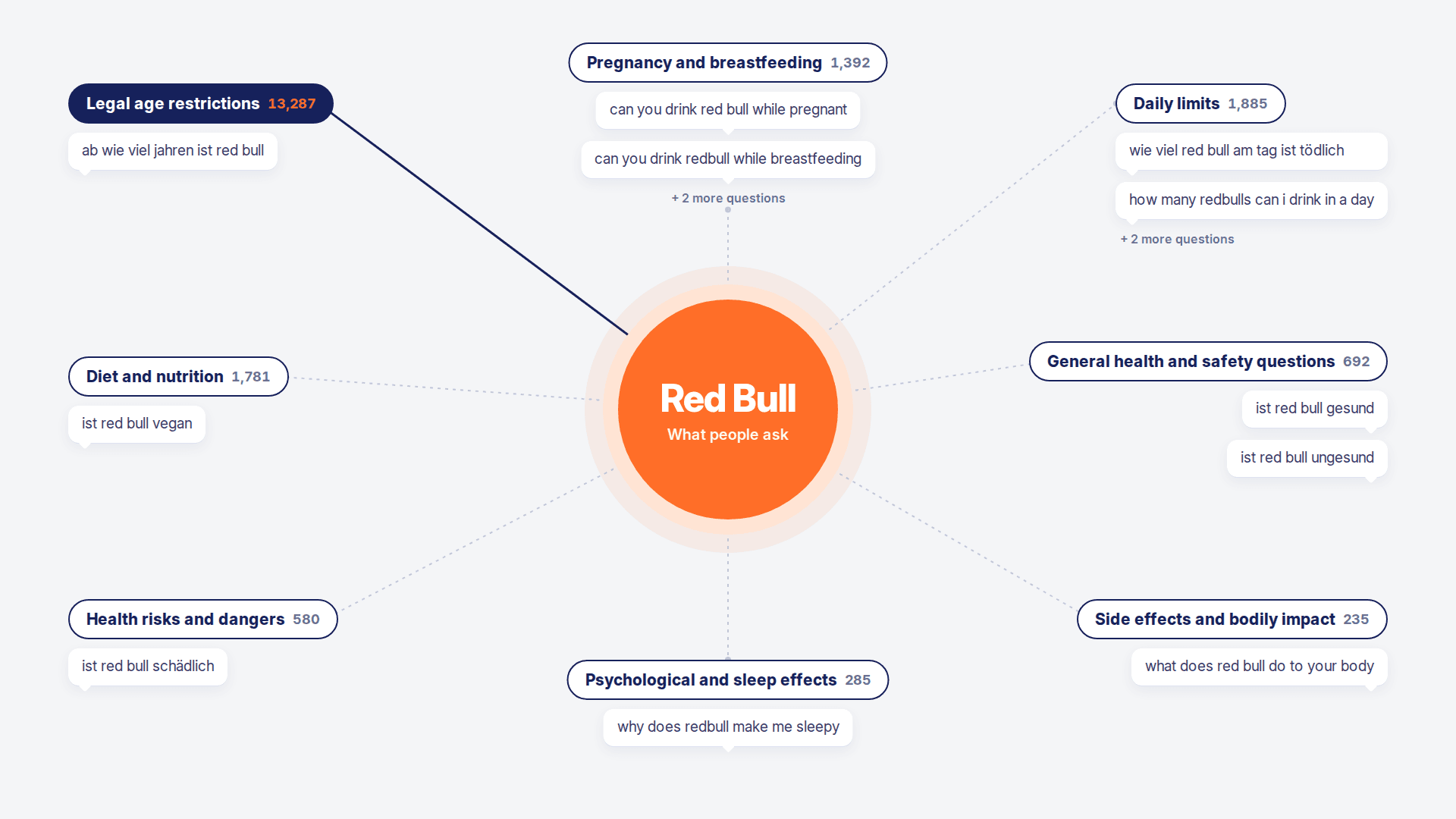
It can also change the pitch. “We have an announcement” becomes “Here is what people are trying to understand, and here is something useful we can contribute.”
Give the spokesperson a question worth answering
Executive visibility is easy to put on a plan. A distinctive, useful point of view takes more work.
The Forbes article highlights thought leadership as part of an AI-focused PR strategy. A sensible place to begin is with the questions an executive can answer from experience. What has the business learned? Which assumption does its evidence challenge? What can the spokesperson explain clearly that others leave vague?
Growing interest in repairability, for example, could support an interview about product design and ownership costs. The strongest contribution would include practical examples or original findings, giving a journalist material to work with.
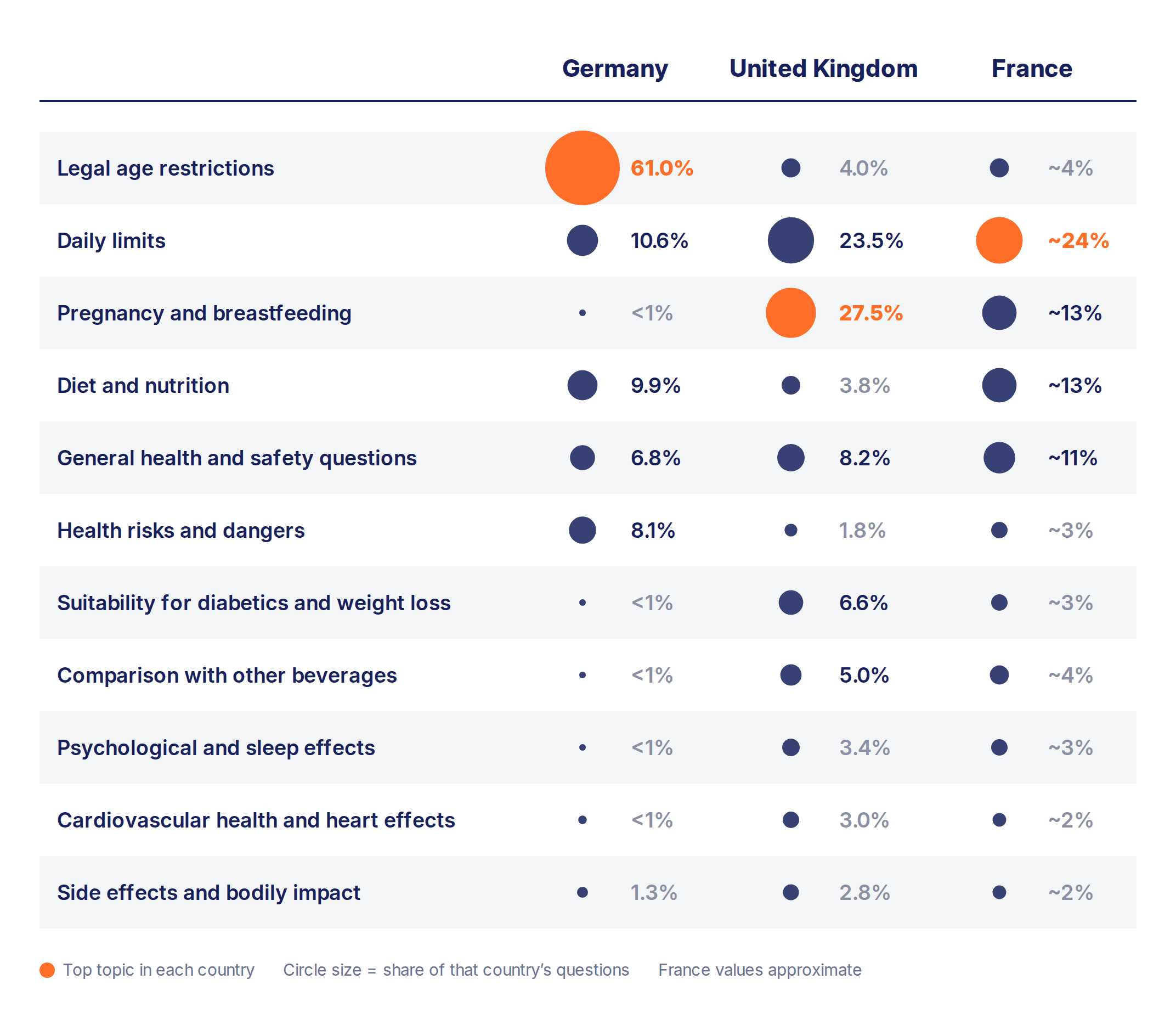
Search trends can help select the subject and shape the briefing. Country-level differences can reveal why the same executive needs a different angle for different markets. Trajaan’s topic and local search insights support that preparation, leaving the spokesperson to do the essential part: offer an informed perspective.
Count the mentions. Then read the answers.
Being named in an AI answer can look like a win until you read the next sentence.
The description might be outdated. A competitor might receive the recommendation while your brand appears only as a comparison. The answer might miss the very attribute your communications program is trying to establish.
A useful review therefore covers both presence and substance:
Does the brand appear for relevant audience questions?
How is it described relative to competitors?
Which sources support that description?
Does the picture change across models or markets?
Following a consistent set of questions over time makes these observations more useful. Trajaan’s GenAI monitoring brings together share of mentions, cited domains and sentiment across models and geographies, giving teams a basis for that recurring review.
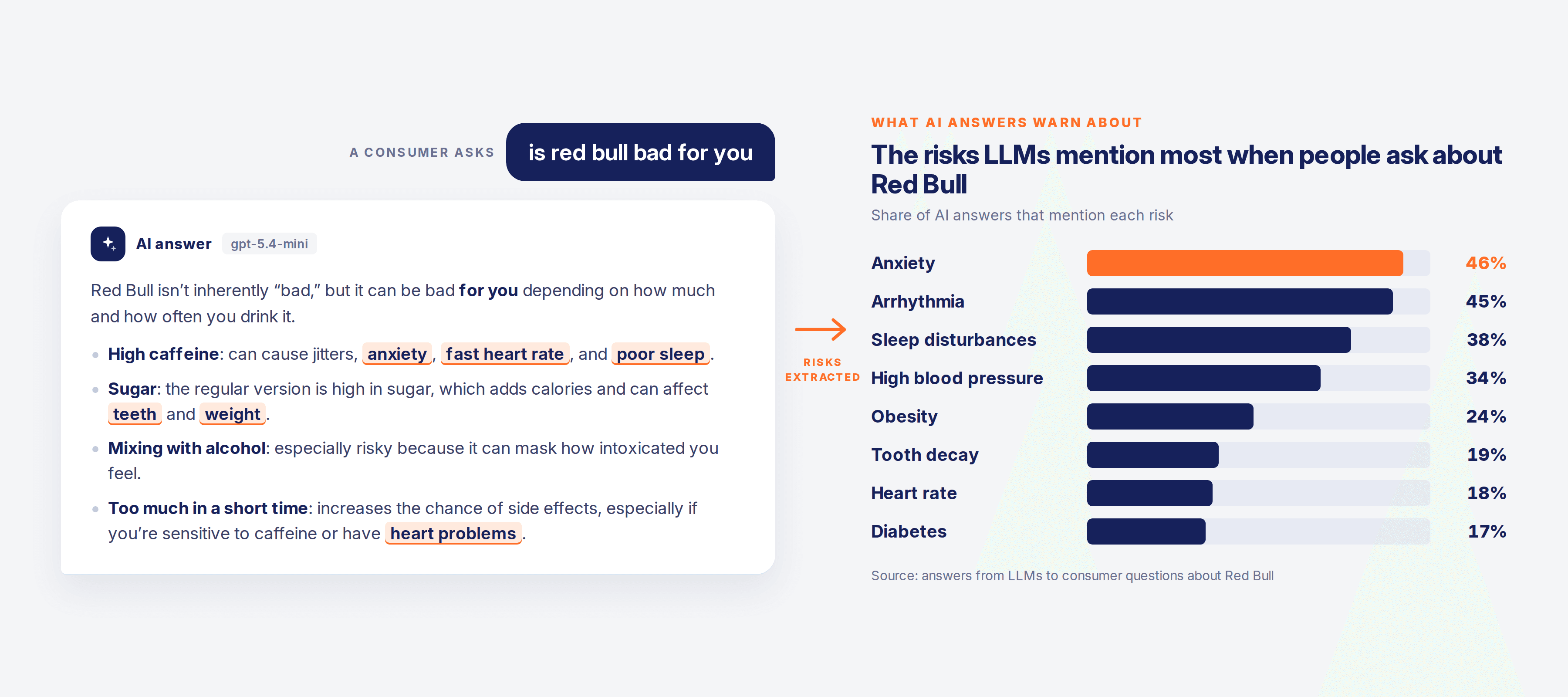
These measures belong alongside coverage reporting. A change after a campaign can prompt a closer look at the sources, although it does not, on its own, establish that the campaign caused it.
Put AI answers on the reputation review agenda
An inaccurate answer needs an owner and a next step.
Sometimes the underlying source is old. Sometimes the company’s own explanation is unclear. Sometimes the available coverage simply doesn’t address the question well. Each situation calls for a different response, from updating information to preparing evidence for future media conversations.
Make room for this in the existing communications routine. Review priority questions, inspect the sources behind concerning answers and agree which issues deserve action. Connecting audience search signals with AI monitoring helps teams judge where a narrative overlaps with a real customer concern.
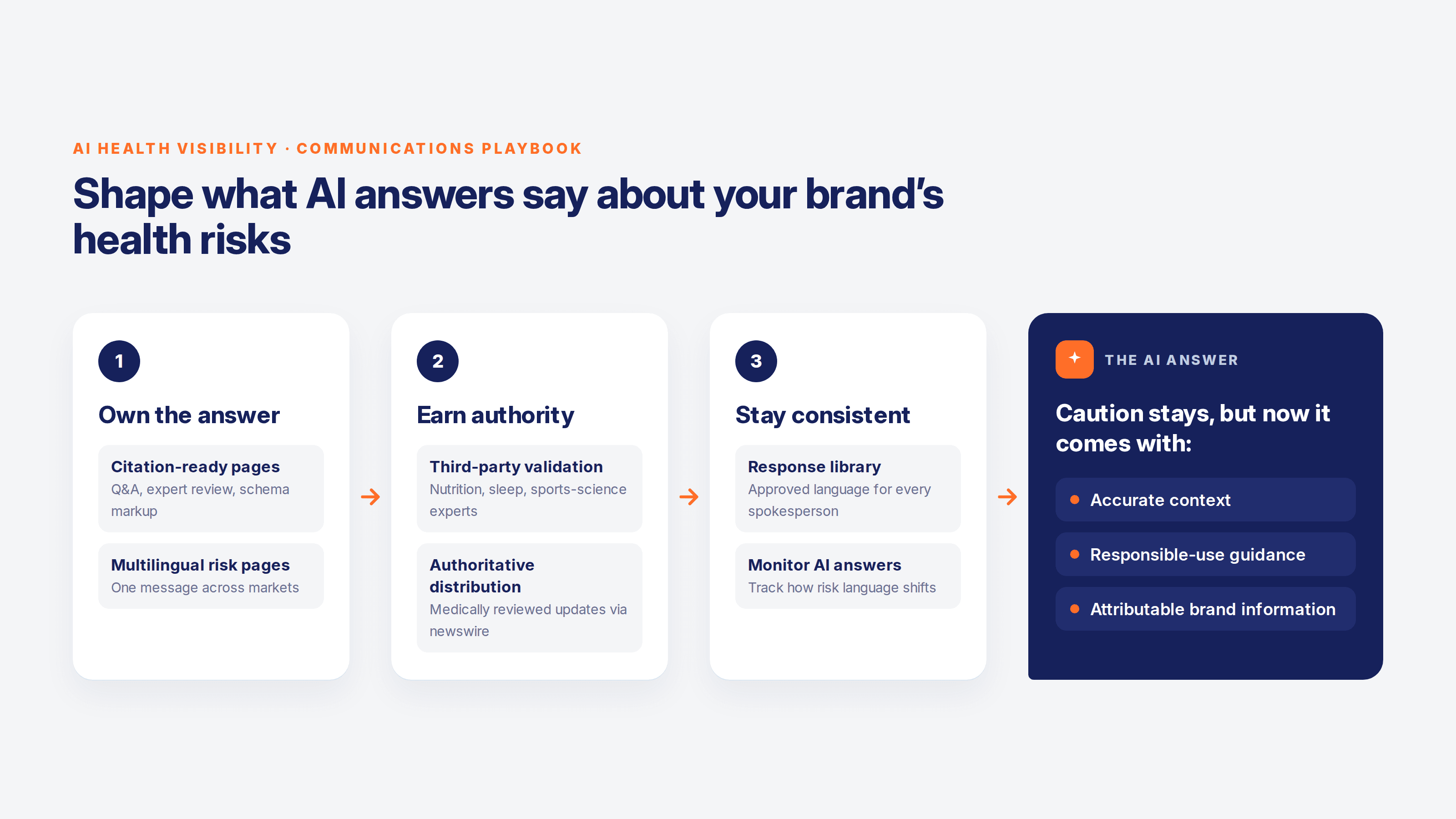
Start with one category or market. Establish how the brand appears today, use the findings to inform the next round of stories and revisit the same questions as the program develops.
The value of PR still rests on useful expertise, sound evidence and credible coverage. AI gives that work another route to the audience - and gives communications teams another place to check whether their message is getting through.
Landing a great piece of coverage used to come with a familiar set of questions. Did the journalist include the key message? Did the spokesperson come across well? Would the right people read it?
Now there’s another: will it influence what AI says about your brand?
In “Why PR Is Now Your Most Powerful AI Strategy,” Forbes Business Council makes the case that earned media has a growing role in AI discovery. When someone asks an assistant which company to trust or which product to consider, third-party coverage can become part of the answer.
That gives communications teams a reason to look beyond the coverage itself. Understanding what people ask, which sources appear and how a brand is described can sharpen both media strategy and reputation management.
A good placement has a life beyond its readership
An interview or reported feature can reach people well after publication, including through an AI-generated answer. But a publication’s reputation alone doesn’t tell you whether its coverage will surface.
For a media relations team, that makes the source list behind an answer worth examining. A specialist publication might repeatedly appear for a commercially important question. A competitor’s interview might provide the explanation an assistant draws on. Both are useful clues when planning outreach.
AI source monitoring adds that perspective to media planning: where does coverage have a chance to reach the audience again, and what information is currently shaping the answer?
The best brief may start with a search question
Most communications calendars begin inside the business: a launch, an announcement, a milestone. Audience questions offer another starting point.
Imagine a sustainability campaign built around corporate commitments. Meanwhile, customers are searching for repair options, replacement costs and how long products last. There’s a story in that gap, one that could make the campaign more relevant and give a spokesperson something concrete to discuss.
Search behavior helps a team test its assumptions before the brief is written. Is the subject gaining interest? Is the concern shared across markets? Are people looking for an explanation the company is well placed to provide?
This is where search intelligence earns its place in the planning process. Grouping related questions and spotting rising topics gives PR teams evidence for an angle, along with a clearer sense of whom it matters to.
It can also change the pitch. “We have an announcement” becomes “Here is what people are trying to understand, and here is something useful we can contribute.”
Give the spokesperson a question worth answering
Executive visibility is easy to put on a plan. A distinctive, useful point of view takes more work.
The Forbes article highlights thought leadership as part of an AI-focused PR strategy. A sensible place to begin is with the questions an executive can answer from experience. What has the business learned? Which assumption does its evidence challenge? What can the spokesperson explain clearly that others leave vague?
Growing interest in repairability, for example, could support an interview about product design and ownership costs. The strongest contribution would include practical examples or original findings, giving a journalist material to work with.
Search trends can help select the subject and shape the briefing. Country-level differences can reveal why the same executive needs a different angle for different markets. Trajaan’s topic and local search insights support that preparation, leaving the spokesperson to do the essential part: offer an informed perspective.
Count the mentions. Then read the answers.
Being named in an AI answer can look like a win until you read the next sentence.
The description might be outdated. A competitor might receive the recommendation while your brand appears only as a comparison. The answer might miss the very attribute your communications program is trying to establish.
A useful review therefore covers both presence and substance:
Does the brand appear for relevant audience questions?
How is it described relative to competitors?
Which sources support that description?
Does the picture change across models or markets?
Following a consistent set of questions over time makes these observations more useful. Trajaan’s GenAI monitoring brings together share of mentions, cited domains and sentiment across models and geographies, giving teams a basis for that recurring review.
These measures belong alongside coverage reporting. A change after a campaign can prompt a closer look at the sources, although it does not, on its own, establish that the campaign caused it.
Put AI answers on the reputation review agenda
An inaccurate answer needs an owner and a next step.
Sometimes the underlying source is old. Sometimes the company’s own explanation is unclear. Sometimes the available coverage simply doesn’t address the question well. Each situation calls for a different response, from updating information to preparing evidence for future media conversations.
Make room for this in the existing communications routine. Review priority questions, inspect the sources behind concerning answers and agree which issues deserve action. Connecting audience search signals with AI monitoring helps teams judge where a narrative overlaps with a real customer concern.
Start with one category or market. Establish how the brand appears today, use the findings to inform the next round of stories and revisit the same questions as the program develops.
The value of PR still rests on useful expertise, sound evidence and credible coverage. AI gives that work another route to the audience - and gives communications teams another place to check whether their message is getting through.
Matthieu Danielou
Co-founder
Share

