Blog
Reports
US Car Demand 2026: Hybrids Win, Brands Go Regional
US car searches fell 9.3% to 2.37B, but hybrids, premium sub-brands and regional champions grew. What buyers want, which brands gain, and where demand sits by state.

Matthieu Danielou
Co-founder & CEO
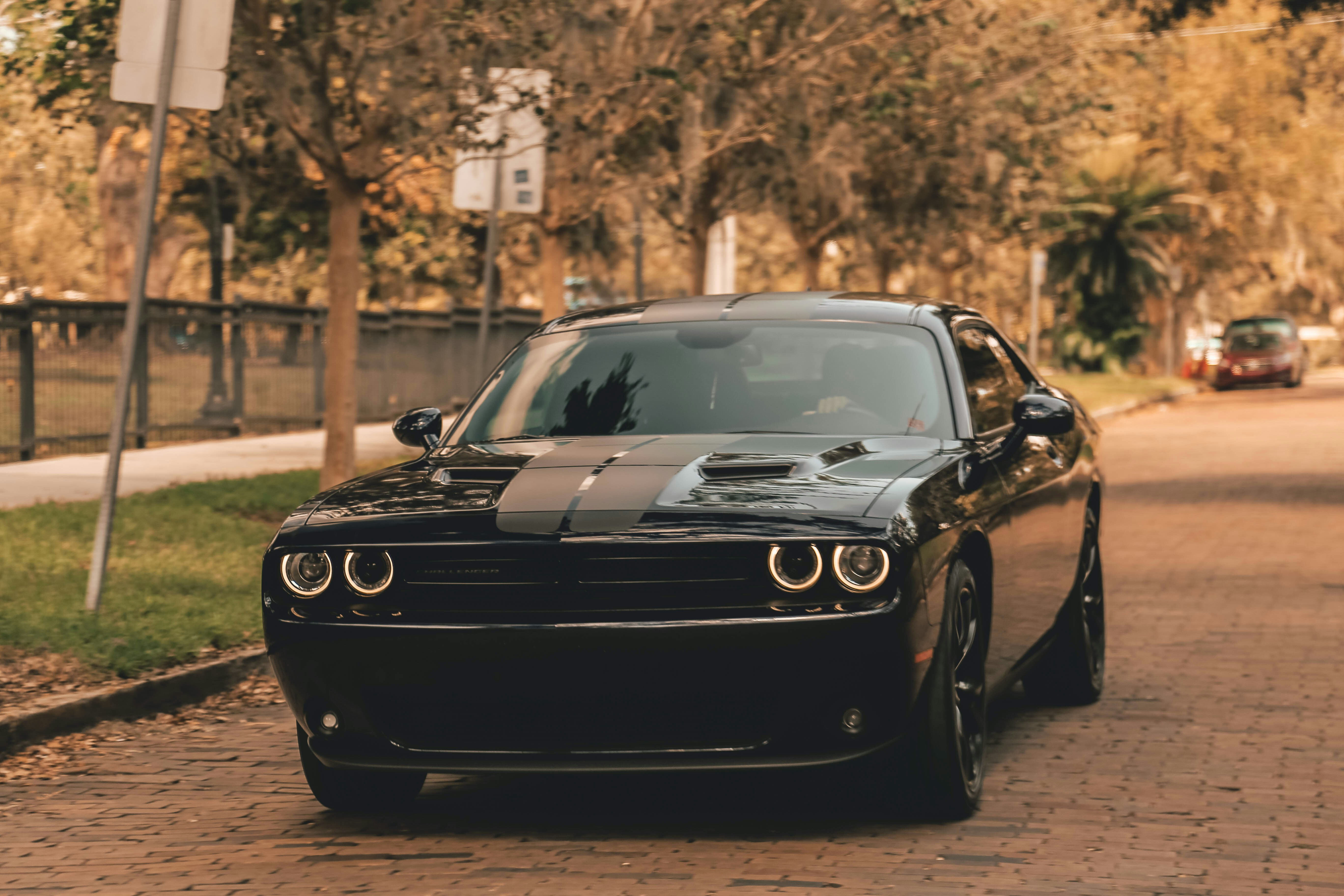
US car searches fell 9.3% to 2.37B in the year to September 2026. Underneath the decline, buyers moved: toward hybrids, premium sub-brands and Japanese and Korean value brands, and away from EVs and established luxury. Where they live matters too. Californians search for cars at 2.2 times the US rate, and the brand each state over-indexes on shows who wins locally.
This report from Trajaan by Cision reads 313,691 US car queries tracked in Google. It shows product, expansion and media teams where US demand is heading before it shows up in sales.
Key findings
Demand is resetting: US car searches fell 9.3% to 2.37B, back to their 2022-23 level after a 2.61B peak
Hybrid is the default: hybrid searches held at 117M (-3.5%) while EV searches fell 20.9%; buyers now make 5.1 hybrid searches for every EV search, up from 4.1
Premium arms grow: Maybach (+16.7%) and Genesis (+13.4%) grew while their parent brands fell about 8%
Momentum is shifting: from July to September 2026, Tesla, Kia, Lexus and a recovering Toyota sped up, while Mercedes (-16.0%), BMW and Porsche slowed
Demand is coastal: Californians search for cars at 2.2 times the US rate per person; Mississippi at about a quarter of it
Brands are regional: Detroit brands over-index most in 24 states, EV-native brands in 8, and Volvo in all six New England states
EV interest is not only coastal: Michigan searches for EVs at 1.5 times the US rate per person, second only to California
How to read the data
Source: Google monthly search volume from Trajaan by Cision search intelligence, Automotive Search Trends project
Scope: United States only; 313,691 tracked car queries; spellings with identical volumes (Citroen and Citroën, for example) count once
Period: October 2025 to September 2026 compared with the 12 months before, with four seasons from October 2022 for trends
States: 49 states and DC (Hawaii is not tracked); per-person indexes use US Census Bureau 2024 population estimates
Index: 100 = the average. A brand’s state index compares its share of searches in that state with its share across states tracked on the same keywords
Demand is resetting after a 2024-25 peak
US car searches fell 9.3% to 2.37B between October 2025 and September 2026, back to their 2022-23 level after a four-year high of 2.61B. Every month ran below the year before.

The gap narrowed: from -13.1% in March to -4.4% in September 2026
The calendar holds: March to August runs 3% to 7% above the average month; November, December and February run 8% to 10% below
Two shocks shaped the year: the $7,500 federal EV tax credit ended on September 30, 2025, and gas has stayed near $4.50 a gallon since March 2026 (NPR)
Hybrid is the powertrain buyers want
Hybrid searches held at 117M (-3.5%) while EV searches fell 20.9% and plug-in hybrid searches fell 13.3%. EV searches dropped 35% in the five months after the federal credit ended, and hybrids rebounded from March 2026.

Sales confirm the signal: hybrids took 15.9% of US retail sales in July 2026, against 7.0% for EVs (JD Power and GlobalData forecast)
Body styles move too: pickups and sedans gained share of car-type searches, while coupes (-14.0%), sports cars (-13.1%) and minivans (-15.7%) fell most
Plug-in hybrids are not the bridge: they draw 3.5% of hybrid search volume, and it fell 13.3%
Growth sits in top trims and value brands
US brand searches fell 8.4% to 1.99B, and only 5 of the top 40 brands grew: Mazda, Kia, Rivian, Ferrari and Aston Martin. Premium sub-brands outgrew their parents by 8 to 25 points.

Established US and British luxury falls hardest: Cadillac -11.1%, Lincoln -13.7%, Land Rover -22.1%, Jaguar -23.3%
EV demand concentrates on EV-native brands: Tesla (-1.4%), Rivian (+3.9%) and Lucid (+4.3%) held up while EV searches fell 20.9%; Polestar fell 34.7%
Chinese brands have little US pull: BYD draws 3.0M searches a year (-6.4%), under 2% of Toyota’s. The US Trade Representative said in April 2026 that tech restrictions will likely keep Chinese carmakers out (Claims Journal)
Who is accelerating now
From July to September 2026, US brand searches fell 7.5% against a year earlier, but the leaders changed.

Tesla jumped 53.1% after a flat year (-1.4%); most of the gain came in September, so it needs another month to confirm
Toyota is recovering: -4.9% in the quarter against -16.8% over the year
German premium is losing pace: Mercedes -16.0%, BMW -12.4% and Porsche -10.1%, each about twice its full-year decline or worse
Ford and Mazda cool: Ford slowed to -14.3%; Mazda’s growth eased from +6.2% to +2.3%
Each car type has its own calendar
Convertible demand swings 43 points between December and May, while pickups and SUVs move less than 20. That changes when launches and media should land.

Open-top and sports cars peak in May: indexes of 119 and 113, so push them from March
Hybrids peak in July and bottom in February: 113 against 85
EVs peak twice: in May and again in October (110), at the model-year changeover
Pickups and SUVs are the flattest: 19 and 18 points of swing, which suits always-on spend
Demand per person is a coastal story
Californians search for cars at 2.2 times the US rate per person. Seven coastal markets sit above 120, and rural interior states search at about a third of the average.

Four states carry half of state-level demand: California 25.3%, Florida 9.9%, Texas 8.5% and New York 7.2%
The coastal premium: California 218, Florida 143, Maryland 133, DC 132, New Jersey 130, Massachusetts 125, New York 122
Texas is big but under-indexes: 92 per person; Michigan, home of the Detroit makers, sits at the average (101)
Rural interior states search least: Mississippi 28, Alaska 30, West Virginia and South Dakota 32, Montana 33
Brands are regional
Look at which brand each state searches for more than the rest of the country, and a map of local champions appears. Detroit brands lead in 24 states, EV-native brands in 8, and Volvo in all six New England states.

Buick is the heartland’s brand: index 229 in Kansas, 220 in Oklahoma and 193 in Michigan, against 57 in California
Jeep leads nine Plains and Mountain states: South Dakota 164, North Dakota 157, Iowa 152; it under-indexes in Washington (61)
EV natives follow the Pacific and the Rockies: Rivian 181 in Washington, 165 in California, 146 in Colorado; Tesla 147 in Utah and 139 in Nevada
The Boston to Washington corridor is import country: Acura leads New Jersey (148) and Maryland (138)
Dodge is a Southern muscle brand: Mississippi 250, Arkansas 154, Louisiana 153
Plants show up in search: Rivian over-indexes in Illinois (133), home of its Normal plant, and Honda in Ohio (135), home of Marysville
EV interest is not only coastal
Michigan sits at the US average for car searches (101) but at 149 for EV searches per person, second only to California (178). Mississippi, West Virginia and the Plains and Mountain states search for EVs at about a third of the US rate.

Industrial states over-index on EVs: Michigan, Texas, Illinois and Georgia all search for EVs more than their overall car interest suggests, which points to EV plant jobs and fleets
Plug-in hybrids concentrate in the Pacific Northwest: per person, Oregon 276, Washington 255, DC 248, Colorado 229, California 226, on a small base
Hybrid leans Northeast: against EV, hybrid searches over-index in Maine, Massachusetts, New Hampshire and Pennsylvania, and under-index in Florida and Michigan
What this means for carmakers
If you plan product, expansion or media for the US market, the data points to six moves:
Make hybrid the default: add it to every high-volume SUV, crossover and pickup line
Plan BEV volumes on current demand: EV searches are still 11% below last year since March 2026
Grow through top trims and premium sub-brands: that is where US demand still rises
Spend March to August and buy hybrid terms: hybrid queries draw 117M searches a year against 23M for EV queries
Go regional: Buick and Jeep shoppers in the Plains, Rivian and Tesla shoppers in the West, Volvo in New England
Send EV inventory where it is searched: California, Michigan, DC, Illinois and Texas; lead with hybrids in the Northeast
Limits of this report
Interest, not sales: monthly Google volume shows what people look for, not what they buy; pair it with registrations
State coverage differs: states are tracked with three keyword sets, so brand indexes compare states on the same set; Toyota is excluded from state rankings because small states inflate generic terms
State growth is directional: every state shows a dip from May to August 2026 and a jump in September, which looks like a collection effect
Want this view for your brand, segment or state? Trajaan by Cision tracks search demand by country, state and city every month. Book a demo.
US car searches fell 9.3% to 2.37B in the year to September 2026. Underneath the decline, buyers moved: toward hybrids, premium sub-brands and Japanese and Korean value brands, and away from EVs and established luxury. Where they live matters too. Californians search for cars at 2.2 times the US rate, and the brand each state over-indexes on shows who wins locally.
This report from Trajaan by Cision reads 313,691 US car queries tracked in Google. It shows product, expansion and media teams where US demand is heading before it shows up in sales.
Key findings
Demand is resetting: US car searches fell 9.3% to 2.37B, back to their 2022-23 level after a 2.61B peak
Hybrid is the default: hybrid searches held at 117M (-3.5%) while EV searches fell 20.9%; buyers now make 5.1 hybrid searches for every EV search, up from 4.1
Premium arms grow: Maybach (+16.7%) and Genesis (+13.4%) grew while their parent brands fell about 8%
Momentum is shifting: from July to September 2026, Tesla, Kia, Lexus and a recovering Toyota sped up, while Mercedes (-16.0%), BMW and Porsche slowed
Demand is coastal: Californians search for cars at 2.2 times the US rate per person; Mississippi at about a quarter of it
Brands are regional: Detroit brands over-index most in 24 states, EV-native brands in 8, and Volvo in all six New England states
EV interest is not only coastal: Michigan searches for EVs at 1.5 times the US rate per person, second only to California
How to read the data
Source: Google monthly search volume from Trajaan by Cision search intelligence, Automotive Search Trends project
Scope: United States only; 313,691 tracked car queries; spellings with identical volumes (Citroen and Citroën, for example) count once
Period: October 2025 to September 2026 compared with the 12 months before, with four seasons from October 2022 for trends
States: 49 states and DC (Hawaii is not tracked); per-person indexes use US Census Bureau 2024 population estimates
Index: 100 = the average. A brand’s state index compares its share of searches in that state with its share across states tracked on the same keywords
Demand is resetting after a 2024-25 peak
US car searches fell 9.3% to 2.37B between October 2025 and September 2026, back to their 2022-23 level after a four-year high of 2.61B. Every month ran below the year before.
The gap narrowed: from -13.1% in March to -4.4% in September 2026
The calendar holds: March to August runs 3% to 7% above the average month; November, December and February run 8% to 10% below
Two shocks shaped the year: the $7,500 federal EV tax credit ended on September 30, 2025, and gas has stayed near $4.50 a gallon since March 2026 (NPR)
Hybrid is the powertrain buyers want
Hybrid searches held at 117M (-3.5%) while EV searches fell 20.9% and plug-in hybrid searches fell 13.3%. EV searches dropped 35% in the five months after the federal credit ended, and hybrids rebounded from March 2026.
Sales confirm the signal: hybrids took 15.9% of US retail sales in July 2026, against 7.0% for EVs (JD Power and GlobalData forecast)
Body styles move too: pickups and sedans gained share of car-type searches, while coupes (-14.0%), sports cars (-13.1%) and minivans (-15.7%) fell most
Plug-in hybrids are not the bridge: they draw 3.5% of hybrid search volume, and it fell 13.3%
Growth sits in top trims and value brands
US brand searches fell 8.4% to 1.99B, and only 5 of the top 40 brands grew: Mazda, Kia, Rivian, Ferrari and Aston Martin. Premium sub-brands outgrew their parents by 8 to 25 points.
Established US and British luxury falls hardest: Cadillac -11.1%, Lincoln -13.7%, Land Rover -22.1%, Jaguar -23.3%
EV demand concentrates on EV-native brands: Tesla (-1.4%), Rivian (+3.9%) and Lucid (+4.3%) held up while EV searches fell 20.9%; Polestar fell 34.7%
Chinese brands have little US pull: BYD draws 3.0M searches a year (-6.4%), under 2% of Toyota’s. The US Trade Representative said in April 2026 that tech restrictions will likely keep Chinese carmakers out (Claims Journal)
Who is accelerating now
From July to September 2026, US brand searches fell 7.5% against a year earlier, but the leaders changed.
Tesla jumped 53.1% after a flat year (-1.4%); most of the gain came in September, so it needs another month to confirm
Toyota is recovering: -4.9% in the quarter against -16.8% over the year
German premium is losing pace: Mercedes -16.0%, BMW -12.4% and Porsche -10.1%, each about twice its full-year decline or worse
Ford and Mazda cool: Ford slowed to -14.3%; Mazda’s growth eased from +6.2% to +2.3%
Each car type has its own calendar
Convertible demand swings 43 points between December and May, while pickups and SUVs move less than 20. That changes when launches and media should land.
Open-top and sports cars peak in May: indexes of 119 and 113, so push them from March
Hybrids peak in July and bottom in February: 113 against 85
EVs peak twice: in May and again in October (110), at the model-year changeover
Pickups and SUVs are the flattest: 19 and 18 points of swing, which suits always-on spend
Demand per person is a coastal story
Californians search for cars at 2.2 times the US rate per person. Seven coastal markets sit above 120, and rural interior states search at about a third of the average.
Four states carry half of state-level demand: California 25.3%, Florida 9.9%, Texas 8.5% and New York 7.2%
The coastal premium: California 218, Florida 143, Maryland 133, DC 132, New Jersey 130, Massachusetts 125, New York 122
Texas is big but under-indexes: 92 per person; Michigan, home of the Detroit makers, sits at the average (101)
Rural interior states search least: Mississippi 28, Alaska 30, West Virginia and South Dakota 32, Montana 33
Brands are regional
Look at which brand each state searches for more than the rest of the country, and a map of local champions appears. Detroit brands lead in 24 states, EV-native brands in 8, and Volvo in all six New England states.
Buick is the heartland’s brand: index 229 in Kansas, 220 in Oklahoma and 193 in Michigan, against 57 in California
Jeep leads nine Plains and Mountain states: South Dakota 164, North Dakota 157, Iowa 152; it under-indexes in Washington (61)
EV natives follow the Pacific and the Rockies: Rivian 181 in Washington, 165 in California, 146 in Colorado; Tesla 147 in Utah and 139 in Nevada
The Boston to Washington corridor is import country: Acura leads New Jersey (148) and Maryland (138)
Dodge is a Southern muscle brand: Mississippi 250, Arkansas 154, Louisiana 153
Plants show up in search: Rivian over-indexes in Illinois (133), home of its Normal plant, and Honda in Ohio (135), home of Marysville
EV interest is not only coastal
Michigan sits at the US average for car searches (101) but at 149 for EV searches per person, second only to California (178). Mississippi, West Virginia and the Plains and Mountain states search for EVs at about a third of the US rate.
Industrial states over-index on EVs: Michigan, Texas, Illinois and Georgia all search for EVs more than their overall car interest suggests, which points to EV plant jobs and fleets
Plug-in hybrids concentrate in the Pacific Northwest: per person, Oregon 276, Washington 255, DC 248, Colorado 229, California 226, on a small base
Hybrid leans Northeast: against EV, hybrid searches over-index in Maine, Massachusetts, New Hampshire and Pennsylvania, and under-index in Florida and Michigan
What this means for carmakers
If you plan product, expansion or media for the US market, the data points to six moves:
Make hybrid the default: add it to every high-volume SUV, crossover and pickup line
Plan BEV volumes on current demand: EV searches are still 11% below last year since March 2026
Grow through top trims and premium sub-brands: that is where US demand still rises
Spend March to August and buy hybrid terms: hybrid queries draw 117M searches a year against 23M for EV queries
Go regional: Buick and Jeep shoppers in the Plains, Rivian and Tesla shoppers in the West, Volvo in New England
Send EV inventory where it is searched: California, Michigan, DC, Illinois and Texas; lead with hybrids in the Northeast
Limits of this report
Interest, not sales: monthly Google volume shows what people look for, not what they buy; pair it with registrations
State coverage differs: states are tracked with three keyword sets, so brand indexes compare states on the same set; Toyota is excluded from state rankings because small states inflate generic terms
State growth is directional: every state shows a dip from May to August 2026 and a jump in September, which looks like a collection effect
Want this view for your brand, segment or state? Trajaan by Cision tracks search demand by country, state and city every month. Book a demo.
Matthieu Danielou
Co-founder & CEO
Share

