Blog
Reports
Uncovering Consumer Search Trends in the Pain Relief Market

Matthieu Danielou
Co-founder & CEO

While Tylenol still leads searches, interest is shifting to ingredient-based and regional queries. Brands can win by offering clear education and localized marketing that meets changing consumer needs.
The Current State of Consumer Search
An analysis of recent search data reveals that consumer focus remains squarely on established, household-name brands and fundamental questions regarding product use and composition.
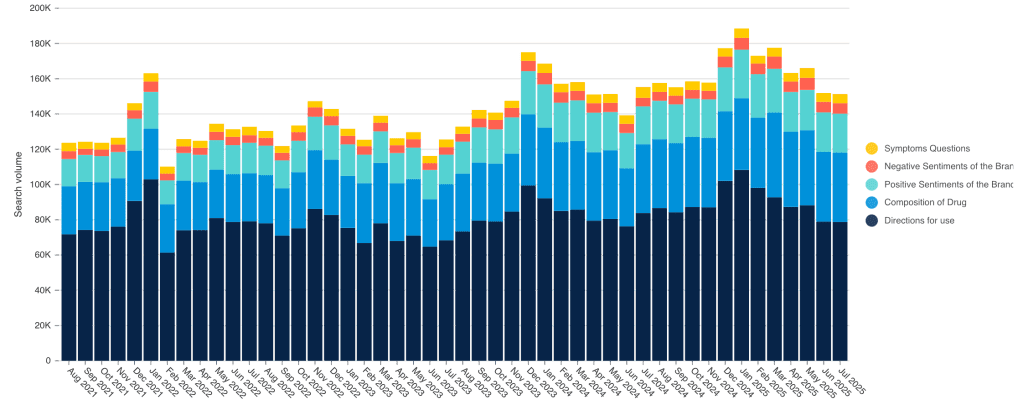
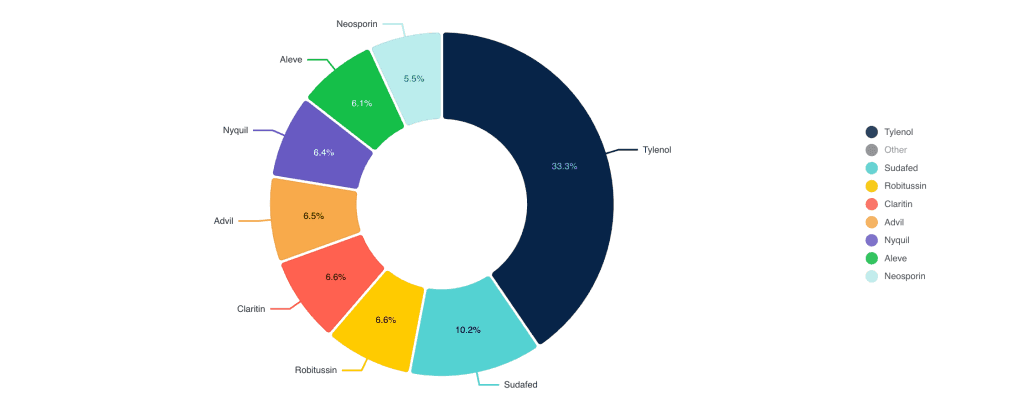
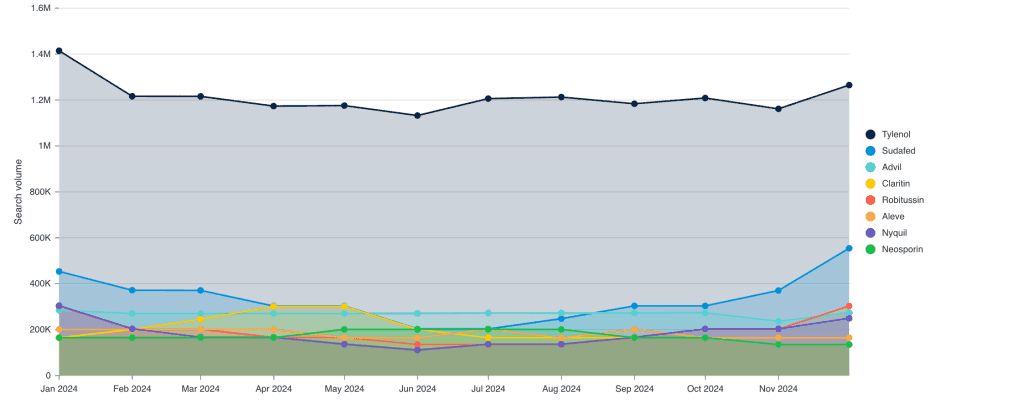
The most dominant search terms are brand-centric, with Tylenol, Sudafed, Advil, and other major players commanding the highest share of search volume. This indicates powerful brand equity and top-of-mind awareness.
Recent search trends show consumers are looking for clear, trustworthy health information:
Focus on dosage, safety, and ingredients (e.g., “is Tylenol an NSAID”).
Symptom-led queries like “Tylenol headache” connect needs to trusted brands.
Brands should provide clear, reliable answers to capture high-intent traffic.
Emerging Trends and Future Opportunities
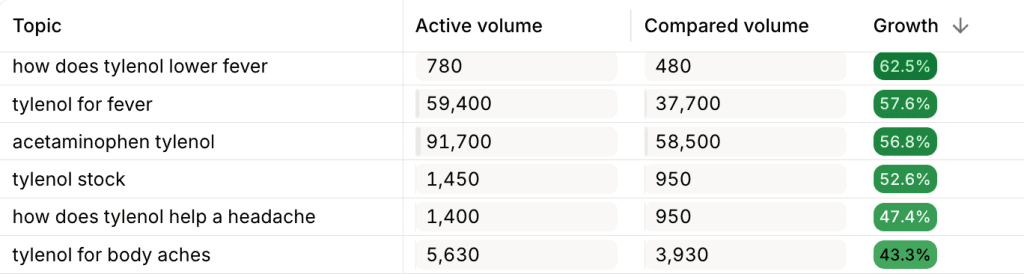
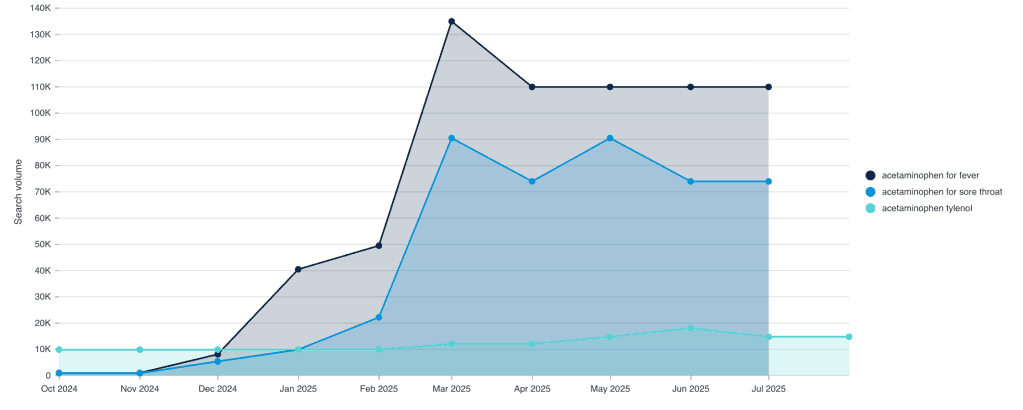
Search trends show rising interest in ingredient-specific queries (e.g., “acetaminophen for fever”), signaling more informed consumers and a shift where brand-only marketing is losing impact.
Rising searches for combination use (e.g., “Mucinex and Tylenol”) and brand comparisons (e.g., “Is Tylenol better than Advil”) show consumers seeking safe multi-symptom solutions and product differentiation, creating room for clear guidance and challenger brand growth.
Geographic Nuances in Consumer Demand
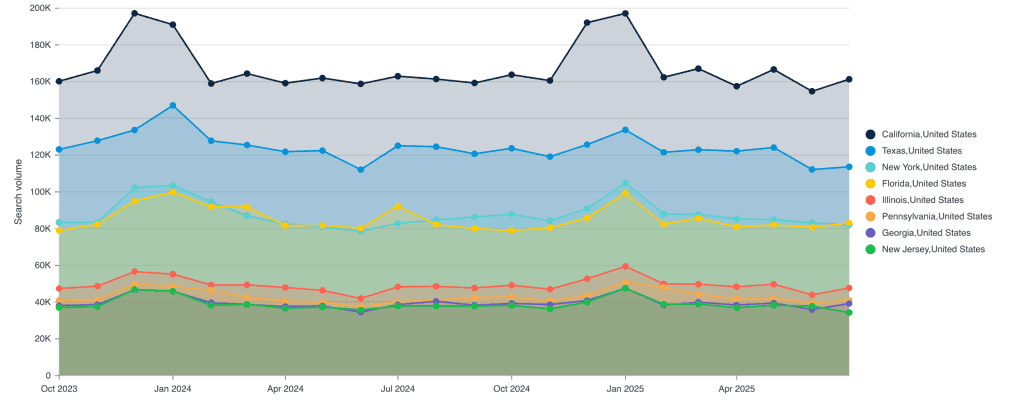
Search data shows strong regional differences in pain relief interest, with California leading in searches for Tylenol, Advil, Aleve, and Motrin, making it a key, highly competitive market for national growth.
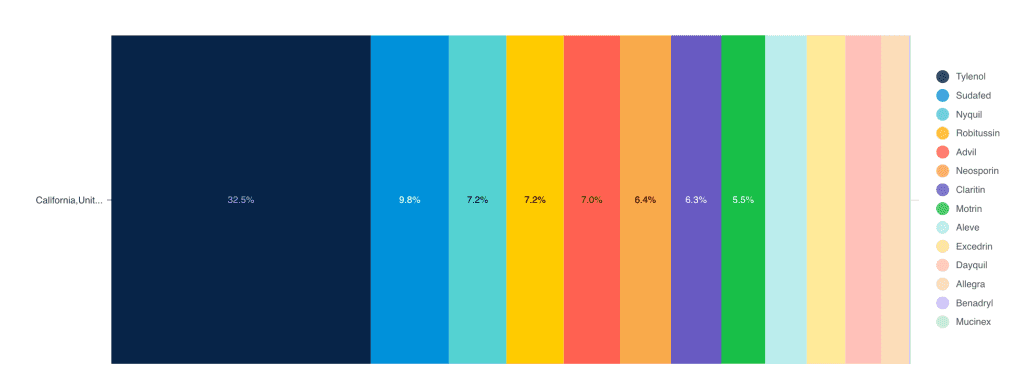
Some brands show regional strongholds, for example, Sudafed is most searched in Southern and Midwestern states like Alabama, Arkansas, and Tennessee. This highlights the need for geo-targeted marketing that aligns with local health concerns and loyalties.
Competitive Brand Landscape and Market Dynamics
Based on the most recent search volume data, Tylenol is the clear market leader.
There’s a notable increase in online searches for Tylenol, signaling growing consumer interest and engagement.
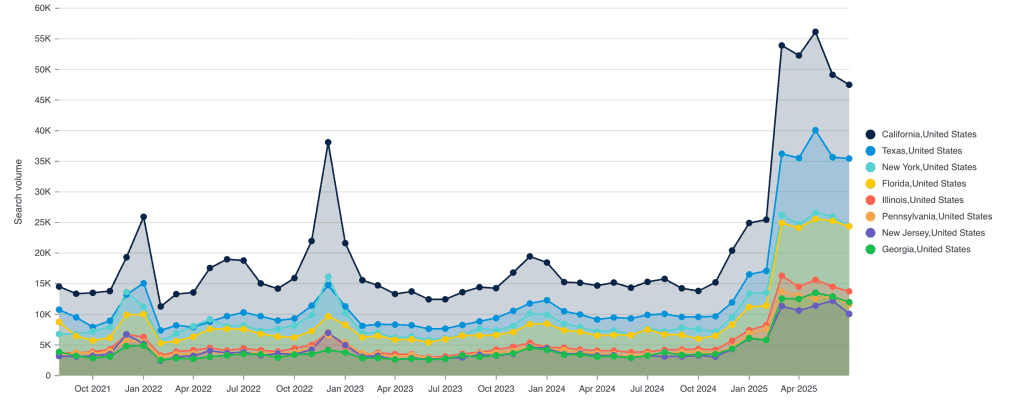
Tylenol leads nationally, especially in California and New York, but faces tighter competition in Texas.
Generic ingredient searches (e.g., “acetaminophen”) are rising, signaling a shift toward private labels and ingredient-focused brands.
Even top brands must defend local share as brand dominance weakens.
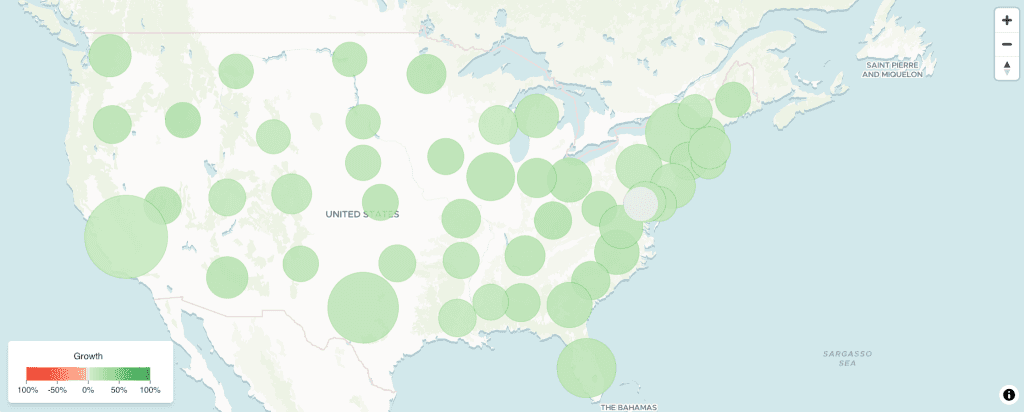
The chart below shows the increase in searches related to painkillers in the United States pear regions.
Strategic Recommendations for Market Leadership
To win market leadership, brands need a multi-layered digital strategy that aligns with evolving consumer behavior:
Own educational content: Rank first for dosage, safety, and ingredient queries to build early trust.
Leverage trends: Create content around multi-symptom relief and brand comparisons to capture active shoppers.
Geo-target campaigns: Focus spend where leaders are weaker and defend strongholds with tailored messaging.
Plan for ingredient-first marketing: Highlight formulation transparency and product benefits for informed consumers.

While Tylenol still leads searches, interest is shifting to ingredient-based and regional queries. Brands can win by offering clear education and localized marketing that meets changing consumer needs.
The Current State of Consumer Search
An analysis of recent search data reveals that consumer focus remains squarely on established, household-name brands and fundamental questions regarding product use and composition.
The most dominant search terms are brand-centric, with Tylenol, Sudafed, Advil, and other major players commanding the highest share of search volume. This indicates powerful brand equity and top-of-mind awareness.
Recent search trends show consumers are looking for clear, trustworthy health information:
Focus on dosage, safety, and ingredients (e.g., “is Tylenol an NSAID”).
Symptom-led queries like “Tylenol headache” connect needs to trusted brands.
Brands should provide clear, reliable answers to capture high-intent traffic.
Emerging Trends and Future Opportunities
Search trends show rising interest in ingredient-specific queries (e.g., “acetaminophen for fever”), signaling more informed consumers and a shift where brand-only marketing is losing impact.
Rising searches for combination use (e.g., “Mucinex and Tylenol”) and brand comparisons (e.g., “Is Tylenol better than Advil”) show consumers seeking safe multi-symptom solutions and product differentiation, creating room for clear guidance and challenger brand growth.
Geographic Nuances in Consumer Demand
Search data shows strong regional differences in pain relief interest, with California leading in searches for Tylenol, Advil, Aleve, and Motrin, making it a key, highly competitive market for national growth.
Some brands show regional strongholds, for example, Sudafed is most searched in Southern and Midwestern states like Alabama, Arkansas, and Tennessee. This highlights the need for geo-targeted marketing that aligns with local health concerns and loyalties.
Competitive Brand Landscape and Market Dynamics
Based on the most recent search volume data, Tylenol is the clear market leader.
There’s a notable increase in online searches for Tylenol, signaling growing consumer interest and engagement.
Tylenol leads nationally, especially in California and New York, but faces tighter competition in Texas.
Generic ingredient searches (e.g., “acetaminophen”) are rising, signaling a shift toward private labels and ingredient-focused brands.
Even top brands must defend local share as brand dominance weakens.
The chart below shows the increase in searches related to painkillers in the United States pear regions.
Strategic Recommendations for Market Leadership
To win market leadership, brands need a multi-layered digital strategy that aligns with evolving consumer behavior:
Own educational content: Rank first for dosage, safety, and ingredient queries to build early trust.
Leverage trends: Create content around multi-symptom relief and brand comparisons to capture active shoppers.
Geo-target campaigns: Focus spend where leaders are weaker and defend strongholds with tailored messaging.
Plan for ingredient-first marketing: Highlight formulation transparency and product benefits for informed consumers.
Matthieu Danielou
Co-founder & CEO
Share


